
New Children’s Project: Little Hands, Big Stories
Find out more about this exciting mental health initiative for children.
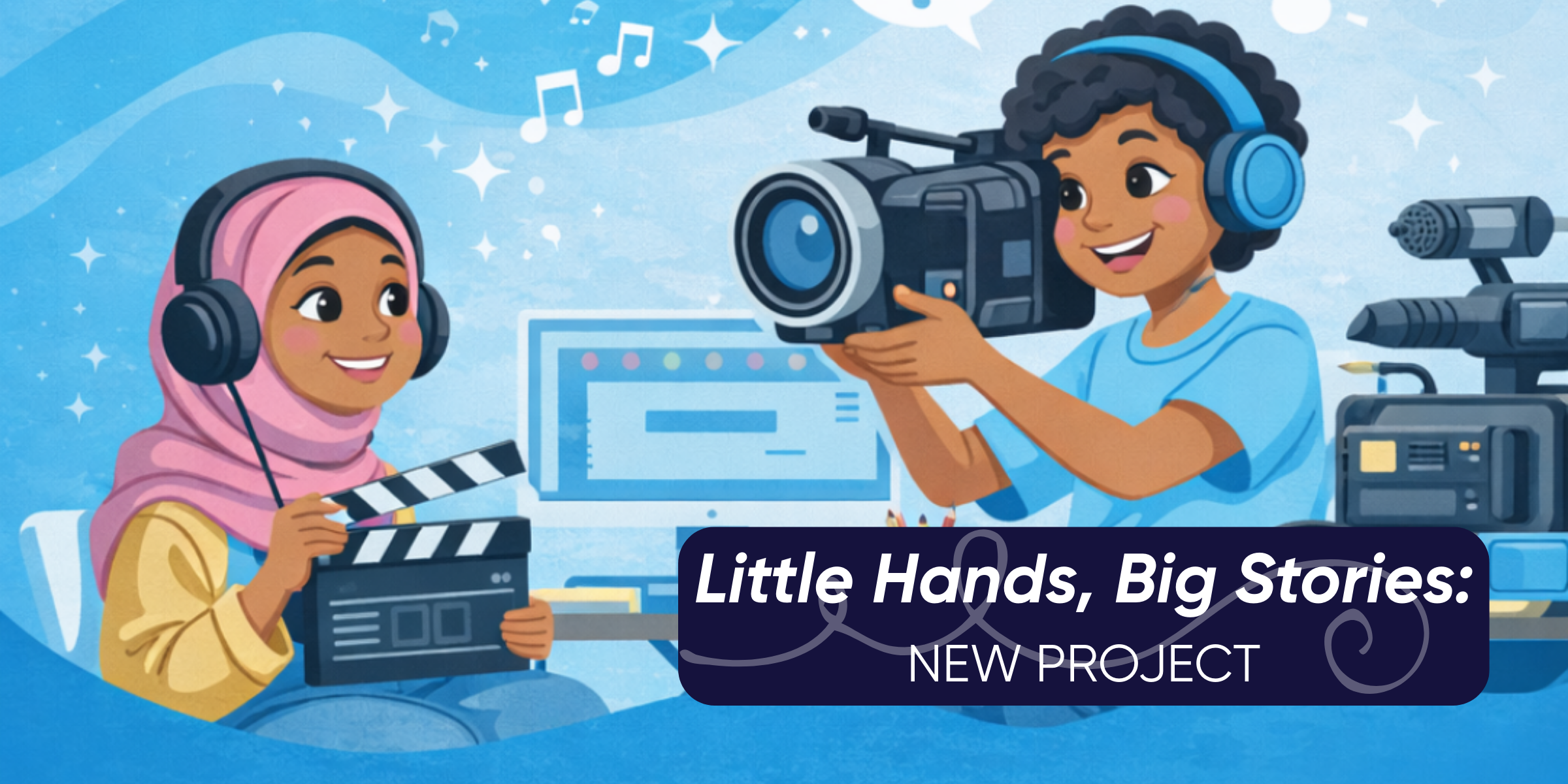
We are delighted to announce a new project, expanding our efforts to improve mental health for refugee children in Lebanon. In 2025, we carried out NET (Narrative Exposure Therapy) & Play Therapy, helping children process the trauma they had endured. This year, we’re continuing our work in the sector, but with a creative twist.
About the Project
The project will use participatory filmmaking and creative arts to support refugee children living in Lebanon. Children will take part in creative filmmaking sessions, where they will record short films, showing life through their eyes. Through this process, they will be encouraged to release their creativity, explore storytelling and visual expression. Most importantly, simply be children, using the camera as a tool to help process trauma endured.
How Participatory Filmmaking Helps Children
Ultimately, the project aims to empower children, amplify their voices and allow them to have fun in an environment that often limits opportunities for self-expression. Participating in filmmaking can help children:
-
-Utilise non-verbal outlets to express emotions, hopes and fears
-
-Gain a sense of ownership and visibility, creating a tangible result
-
-Develop practical and cognitive skills through storytelling and observation
-
-Build confidence, social connections and a sense of agency
The clips produced will be shared with our audience, showcasing a first-person narrative of life in refugee camps, helping the world see children’s perspectives and experiences.
Challenges Refugee Children Face
Refugee children in Lebanon and around the world face profound mental health challenges rooted in conflict, displacement and ongoing instability. As of recent UN data, of the over 120 million people forcibly displaced worldwide, around 40% (around 49 million) are children under 18, meaning millions are growing up in environments marked by uncertainty, loss and limited access to education and services. These experiences increase the risk of anxiety, PTSD and emotional distress, affecting children’s development, schooling and ability to build secure relationships.
GRF’s Approach: Why Lebanon?
We have been working in Lebanon for over a decade, supporting Syrian and Palestinian refugees and establishing deep community relationships. Lebanon today hosts one of the largest refugee populations per capita in the world, with significant numbers of vulnerable children living in protracted displacement and ongoing hardship. With this long-standing presence and understanding of local needs, GRF is uniquely positioned to implement a creative mental health initiative that empowers children and amplifies voices that are too often unheard.
How Can You Support?
Project implementation is set to begin in the upcoming weeks. You can help bring this project to life by donating to support refugee children in Lebanon. Your contribution will provide children with the opportunity to express themselves, build confidence and tell their own stories.